The Essential Guide to Roof Drainage: Preventing Water Damage Effectively Dec 15, 2025
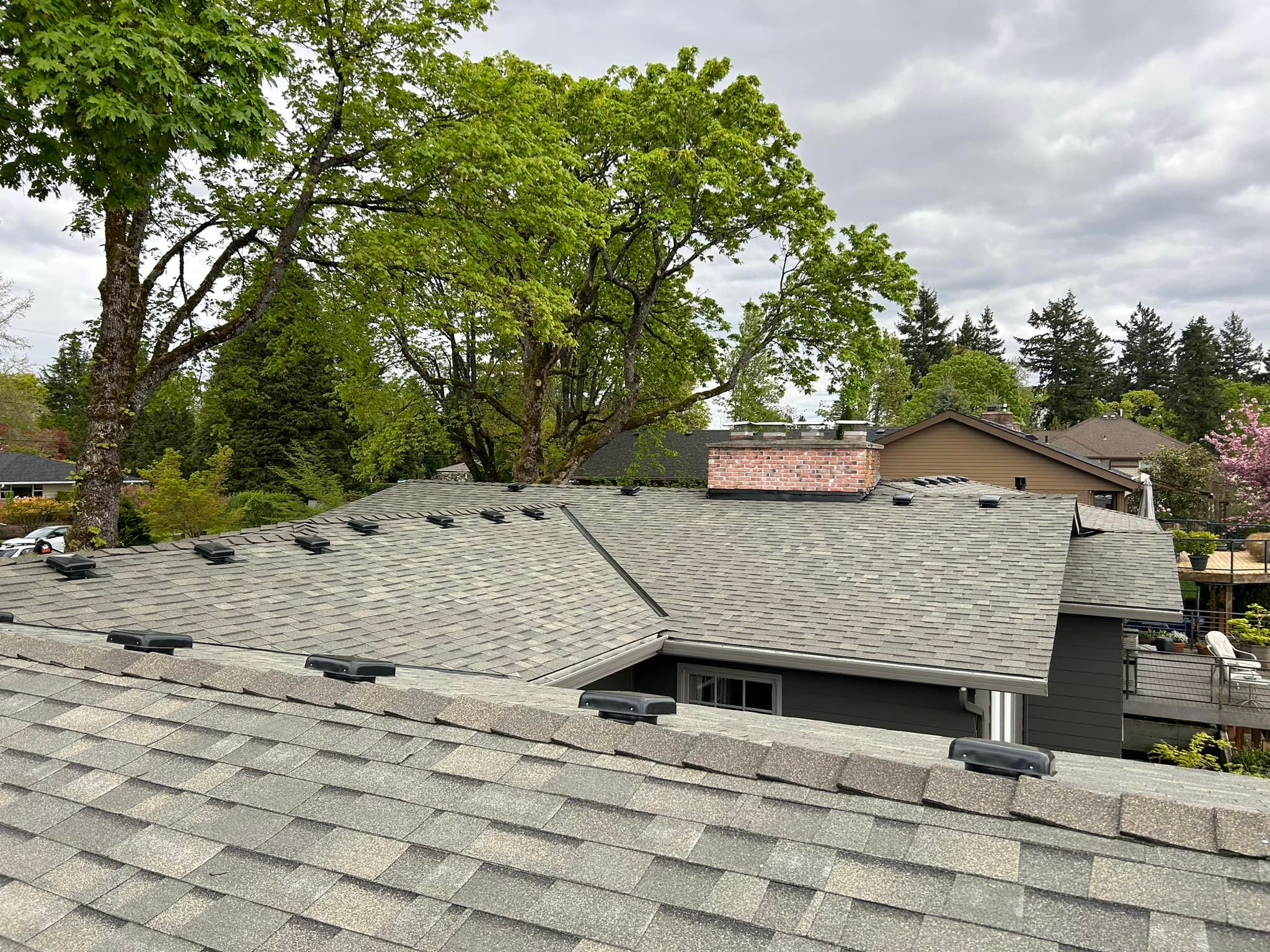
Roof drainage begins with ensuring your roof is sloped correctly. The slope, or pitch, of the roof, is designed to direct water towards drainage points, rather than allowing it to pool. If water accumulates on your roof, it can eventually seep through and cause damage to the underlying structure. Regular inspections can help detect any areas where your roof's pitch may be insufficient and require adjustment or repair.
Gutters are another critical component of a roof's drainage system. They are designed to collect rainwater as it flows off the roof and direct it away from the foundation of your home. Clogged gutters are a common problem that can lead to overflow and water damage. To keep your gutters functioning optimally, it's crucial to clear them of leaves, twigs, and other debris, especially after a storm. Installing gutter guards can also help minimize clogging and reduce maintenance needs.
Downspouts are equally important in roof drainage. These pipes carry water from the gutters down to the ground and away from your building’s foundation. Ensuring that downspouts are well-placed and extend at least five feet from your home can prevent water from pooling around your foundation, which can lead to basement leaks and structural damage.
Furthermore, roof drains are vital for flat or low-slope roofing systems often found in commercial buildings. These drains help manage water runoff, preventing it from accumulating on the roof. Regular maintenance is required to ensure these roof drains remain unobstructed and functional.
Another effective solution in roof drainage management is the installation of splash blocks or drain tiles at the base of your downspouts. Splash blocks help disperse water away from your home, mitigating erosion and keeping the foundation intact. Drain tiles provide a channel for water to flow further away from your home, offering an additional layer of protection.
Conducting a routine check-up of your roof drainage system is an essential maintenance task. Look out for sagging gutters, damaged downspouts, and any signs of leaks or standing water on your roof. Addressing issues promptly can prevent minor problems from escalating into major repairs.
In conclusion, a well-maintained roof drainage system is integral to protecting your home from water damage. Regular maintenance, prompt repairs, and a comprehensive understanding of how your drainage system works are crucial steps in safeguarding your property. For professional guidance, consider consulting 2 Brothers Contracting LLC, experts in roofing services, who can provide a thorough assessment and ensure that your roof’s drainage system is equipped to handle the wettest weather. Protect your investment by maintaining an effective roof drainage system, and you will save time, money, and stress in the long run.
/filters:no_upscale()/filters:format(webp)/media/75ceaa8f-00f4-46fe-9cf8-f3c9fe051da3.png)
/filters:no_upscale()/filters:format(webp)/media/e06539d4-c4d6-48a6-ae10-e684b3282025.png)